
Open 24 hours, 7 days a week
Septic service across the South Florida service area
A plumber checks the tank, the lines feeding it and the drain field to find where a backup or a slow drain is actually coming from, rather than assuming it is the tank by default.
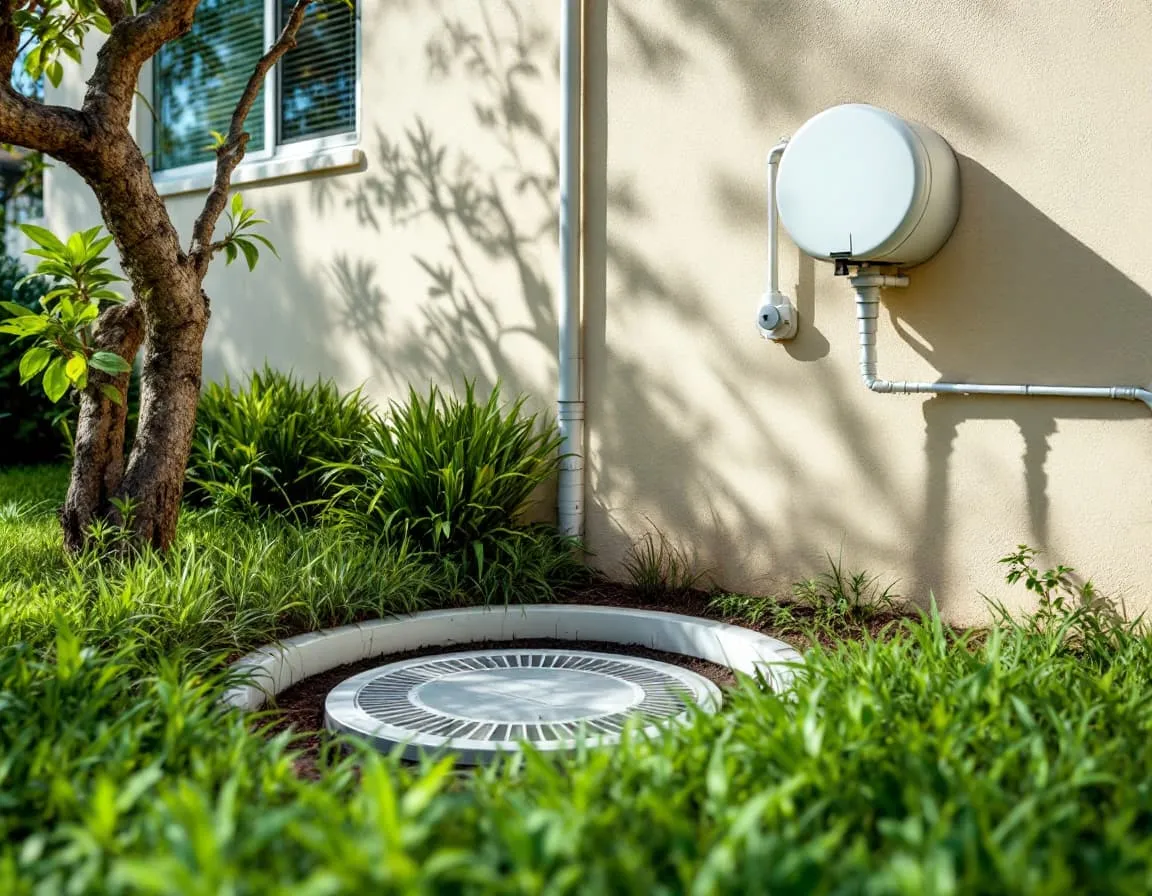
How do I know if a backup is coming from my septic tank or my plumbing?
Most of Hollywood proper is served by municipal sewer, but pockets across the wider Broward, Miami-Dade and Palm Beach service area still rely on a septic system, and a backup on one of those properties can come from the house plumbing, the tank itself, or a saturated drain field, each with a different fix and a different urgency.
A backup limited to one drain usually points at the house plumbing. Multiple drains backing up together, or slow drainage across the whole house, points more at the tank or the field. A plumber checks both the line to the tank and the tank itself before deciding which it is, rather than assuming the more expensive cause by default, or pumping the tank when the actual problem sits closer to the house, in the line most homeowners cannot see or access themselves.
Signs worth a call
What points at the septic system specifically
Multiple drains slow or backing up at once
Usually points at the tank or the line feeding it, not one fixture.
Standing water or a soggy patch over the drain field
A field that is saturated or failing to absorb properly.
A sewage smell near the tank or yard
Worth checking the tank and its seals before it gets worse.
Gurgling drains throughout the house
Air being forced back through the system from a full or blocked tank.
What gets checked
The line, the tank, and the field, in that order
The house-to-tank line is checked first, since a clog there can mimic a full tank without the tank actually being the problem. The tank itself is checked for level and condition next, and the drain field last, since field issues are usually the most involved to address and it helps to rule out the simpler causes first.
South Florida’s high water table can affect how well a drain field absorbs water, particularly during the wetter months, which is worth knowing if backups tend to line up with heavy rain.
Warning signs
The signs a septic system needs attention before it backs up
Slow drains across multiple fixtures at once, rather than just one, is one of the clearer signs a septic system needs attention rather than a single clogged line. Standing water or a noticeably greener patch of grass over the drain field is another, and both are worth a look before they turn into a backup inside the house itself.
Pumping on a routine schedule, rather than waiting for a visible problem, is what keeps solids from reaching and clogging the drain field, which is by far the more expensive part of a septic system to repair. What a household actually needs varies with occupancy and system size, which a plumber can assess directly rather than guessing at a generic interval.
Questions
Septic service, answered
Do you handle septic tank pumping?
Ask when you call, dispatch can confirm what is available for your specific property and situation.
Why does my septic system back up more during the rainy season?
A high water table and a saturated drain field both reduce how well the system can absorb water, which is more common during South Florida’s wetter months.
How do I know if it is the septic system or just a clogged drain?
One slow drain is usually just that drain. Multiple drains slow or backing up together points more toward the tank or the field.
Is a septic backup an emergency?
Sewage backing up into the house is an emergency call. A slow drain or an odor outdoors can usually be scheduled.
Live dispatch
Backups that keep happening at once?
Call and describe what you are seeing. A plumber can check the line, the tank and the field to find the actual cause.
No obligation to book after the call.