
Open 24 hours, 7 days a week
Water heater repair, gas and electric
A plumber checks the element, thermostat, pilot assembly or fittings to find what has actually failed, and repairs it where the tank itself is still sound.
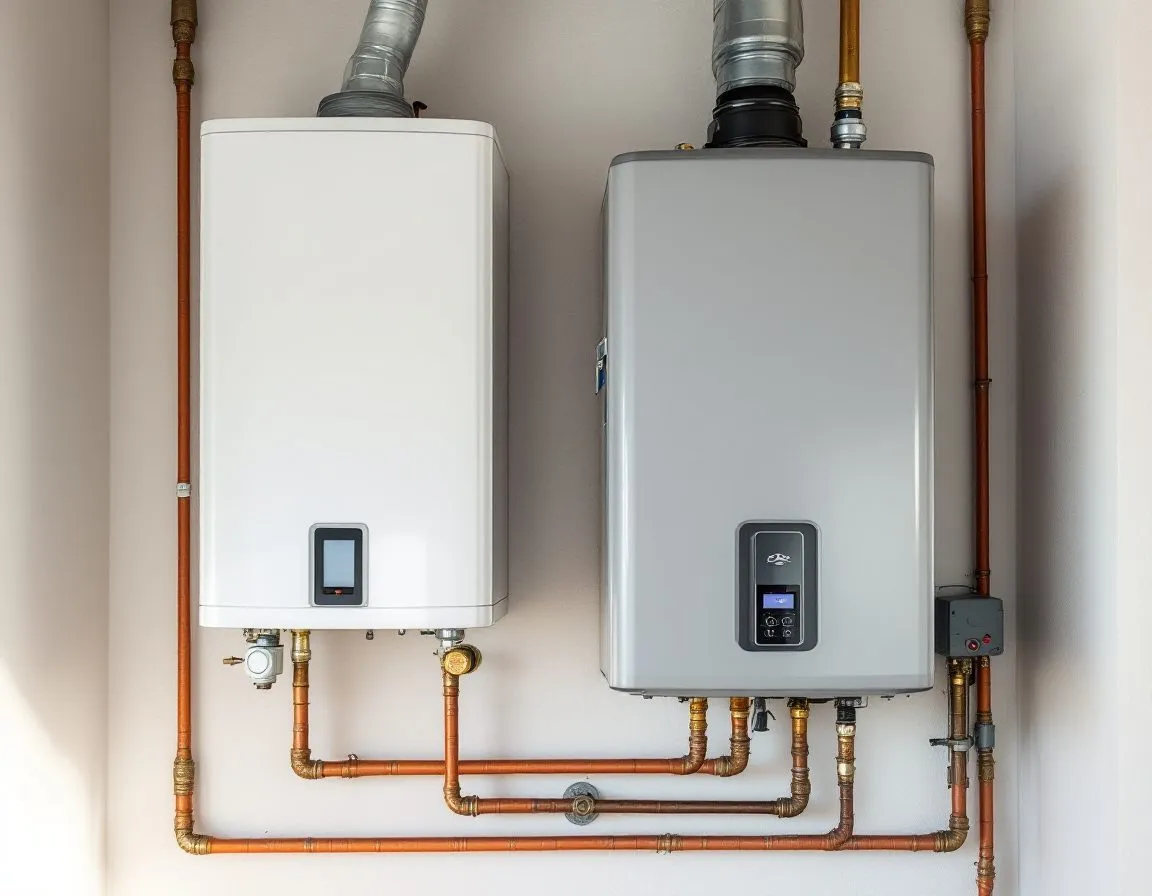
Why do I suddenly have no hot water?
A sudden loss of hot water usually comes down to one of a few things: a tripped breaker or a failed heating element on an electric tank, a pilot light that will not stay lit or a bad thermocouple on a gas tank, or a thermostat that has failed and stopped calling for heat at all. None of these necessarily means the tank itself is done, and most are a standard part replacement rather than a full swap.
A gradual decline, less hot water than there used to be, or water that runs lukewarm rather than hot, points more often at sediment buildup insulating the heating element or burner from the water, which a service and flush can often resolve without replacing anything. A plumber checks the actual cause before recommending a fix, rather than assuming a new tank is the only answer.
Common failures
What usually causes the problem
No hot water at all
A tripped breaker, failed element, or a pilot that will not stay lit.
Water that is warm but never hot
A failing thermostat or a heating element only partially working.
A leak at a fitting or valve
Often repairable without replacing the tank if the shell itself is sound.
A rumbling sound when the tank heats
Sediment buildup at the bottom of the tank, worth a flush before anything else.
Repair or replace
When a repair is the right call
A leak isolated to a fitting, a valve or a connection, rather than the tank shell itself, is usually repairable. A failed element, thermostat or thermocouple is a standard part replacement on most tanks. Sediment buildup causing noise or reduced efficiency can often be addressed with a flush rather than a new unit.
A plumber checks which of these it actually is before recommending anything, since the visible symptom, no hot water, can come from a five-minute part swap or from a tank that is genuinely done.
Repair or replace
Which water heater problems are actually repairs
Not every water heater problem calls for a full replacement. A pilot light that will not stay lit, a thermostat reading wrong, a heating element gone bad on an electric tank, or a buildup of sediment cutting a tank’s effective capacity are all repairs rather than a full swap, and a tank still within its expected service life is usually worth repairing first.
Rusty water, a tank that is audibly popping or rumbling, or a leak at the tank itself rather than a fitting point the other way, toward the tank itself failing rather than a fixable part, and starting with a repair on a tank already at that stage tends to just delay a replacement that is coming regardless.
A same-day repair visit is usually enough to diagnose which category a given water heater falls into, without waiting on a scheduled inspection first.
Questions
Water heater repair, answered
Is it worth repairing an older water heater?
Depends on the specific failure and the tank’s age. A minor part replacement on a tank with a few good years left is usually worth it; a tank already past 10 to 12 years may make more sense to replace outright.
Why does my pilot light keep going out?
Most often a failing thermocouple, which is a standard, inexpensive part to replace on a gas tank.
Can a water heater leak be repaired without replacing the tank?
If the leak is at a fitting or valve, yes. A leak from the tank shell itself is not repairable and means replacement.
How long does a typical repair take?
Most element, thermostat or thermocouple repairs are completed same-day, often within an hour or two once the part is confirmed.
Related
Related services worth knowing about
Live dispatch
No hot water, or a leak at the tank?
Call and describe what you are seeing. A plumber can tell you whether it is a repair or something bigger.
No obligation to book after the call.